
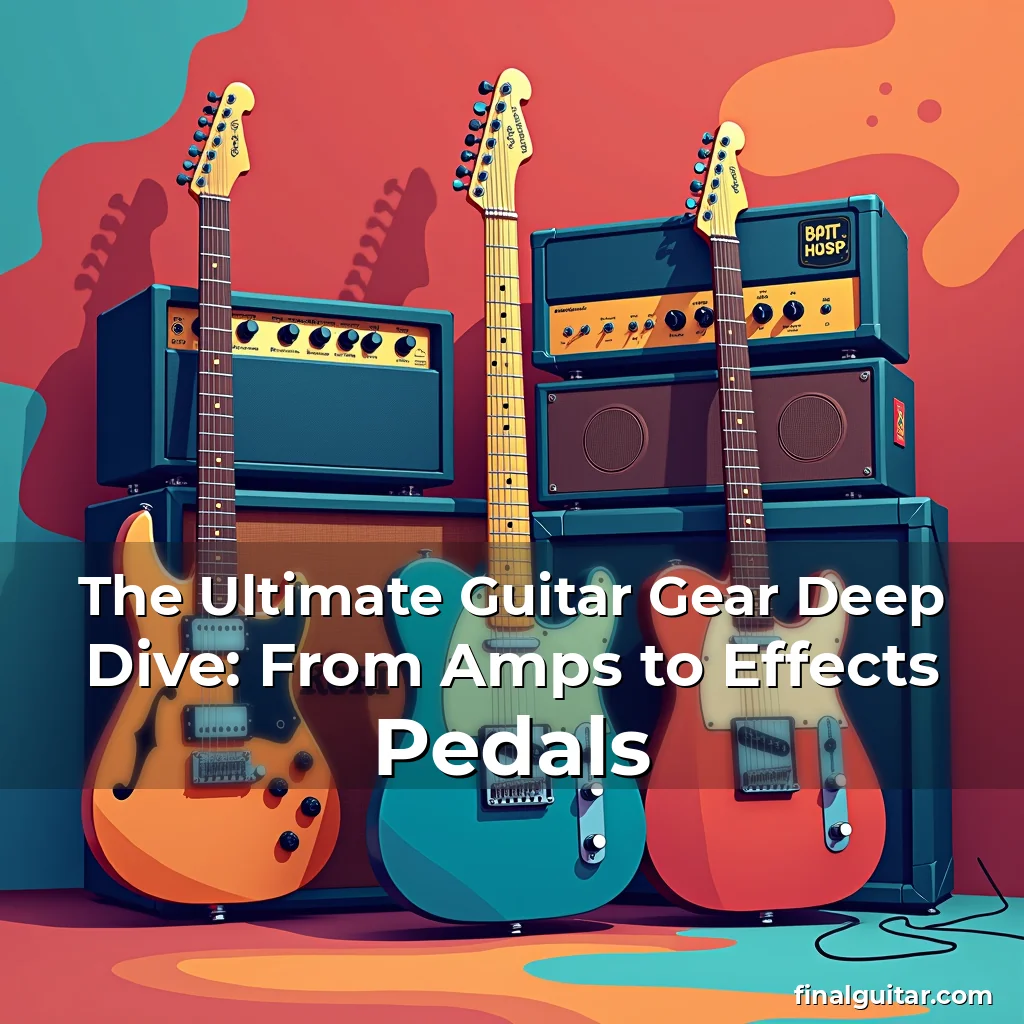
The Ultimate Guitar Gear Deep Dive: From Amps to Effects Pedals
Guitar gear isn’t just about flashy gadgets—it’s the foundation of your musical expression. Whether you’re a seasoned pro or a curious beginner, understanding the right tools can transform your playing experience.
This guide explores everything from vintage amplifiers to modern digital processors, helping you build a setup that suits your style and goals.
Understanding the Core Components of Your Guitar Setup
Your guitar rig consists of several interconnected pieces, each contributing uniquely to your overall sound. These core components include your instrument itself, amplifier, effects pedals, cables, and various accessories.
A well-balanced setup ensures clarity, tonal versatility, and reliability during performances or recordings. Knowing what each part does allows you to optimize their interaction effectively.
- Guitars: Provide the raw acoustic or electric signal based on construction materials and electronics.
- Amps: Amplify the signal and shape it through speaker cabinets and internal circuitry.
- Pedals: Modify the tone using analog circuits or digital processing algorithms.
Choosing the Right Electric Guitar: A Player’s Perspective
Selecting an electric guitar involves considering factors like body type, pickup configuration, neck design, and playability. Each element affects both comfort and sonic output significantly.
Budget-conscious buyers often prioritize affordability without sacrificing quality, while professionals seek instruments tailored to specific genres or techniques.
Body Types and Their Impact on Tone
Fender-style bodies made from ash or alder offer bright tones with good sustain, making them ideal for rock and blues players. Mahogany bodies provide warmer, punchier sounds favored by metal musicians.
The choice between semi-hollow and fully hollow designs influences resonance and feedback potential. Semi-hollow guitars excel at producing rich midrange frequencies typical of jazz styles.
Pickups: The Heart of Your Guitar’s Sound
Single-coil pickups deliver clear highs and articulate mids perfect for clean tones but may introduce hum when played near magnetic fields. Humbuckers cancel noise better while offering thicker lows suitable for heavy riffs.
Active pickups require battery power to boost output levels dramatically, providing high-gain capabilities preferred by shred-oriented players who demand loud volumes without excessive gain distortion.
Diving Into Amplifier Technology: Tube vs Solid-State Debate
Tube amplifiers produce natural compression and harmonic distortion that many consider superior for expressive lead work due to their dynamic response characteristics.
Solid-state models offer greater durability and consistency across varying conditions, appealing to those needing reliable performance during live shows where environmental changes are common.
Modeling Amps: The Digital Revolution
Modern multi-effects units simulate classic amp voicings digitally using sophisticated algorithms capable of replicating vintage preamp stages accurately.
These devices allow users access to numerous virtual amps simultaneously via footswitches or mobile apps, eliminating the need for physical rackmount gear in home studios.
Power Amp Considerations
Headphone amps serve dual purposes by powering external speakers while also functioning independently through built-in headphone jacks designed for silent practicing sessions.
Class-A power amps
The Ultimate Guitar Gear Deep Dive: From Amps to Effects Pedals
Guitar gear isn’t just about flashy gadgets—it’s the foundation of your musical expression. Whether you’re a seasoned pro or a curious beginner, understanding the right tools can transform your playing experience.
This guide explores everything from vintage amplifiers to modern digital processors, helping you build a setup that suits your style and goals.
Understanding the Core Components of Your Guitar Setup
Your guitar rig consists of several interconnected pieces, each contributing uniquely to your overall sound. These core components include your instrument itself, amplifier, effects pedals, cables, and various accessories.
A well-balanced setup ensures clarity, tonal versatility, and reliability during performances or recordings. Knowing what each part does allows you to optimize their interaction effectively.
- Guitars: Provide the raw acoustic or electric signal based on construction materials and electronics.
- Amps: Amplify the signal and shape it through speaker cabinets and internal circuitry.
- Pedals: Modify the tone using analog circuits or digital processing algorithms.
Choosing the Right Electric Guitar: A Player’s Perspective
Selecting an electric guitar involves considering factors like body type, pickup configuration, neck design, and playability. Each element affects both comfort and sonic output significantly.
Budget-conscious buyers often prioritize affordability without sacrificing quality, while professionals seek instruments tailored to specific genres or techniques.
Body Types and Their Impact on Tone
Fender-style bodies made from ash or alder offer bright tones with good sustain, making them ideal for rock and blues players. Mahogany bodies provide warmer, punchier sounds favored by metal musicians.
The choice between semi-hollow and fully hollow designs influences resonance and feedback potential. Semi-hollow guitars excel at producing rich midrange frequencies typical of jazz styles.
Pickups: The Heart of Your Guitar’s Sound
Single-coil pickups deliver clear highs and articulate mids perfect for clean tones but may introduce hum when played near magnetic fields. Humbuckers cancel noise better while offering thicker lows suitable for heavy riffs.
Active pickups require battery power to boost output levels dramatically, providing high-gain capabilities preferred by shred-oriented players who demand loud volumes without excessive gain distortion.
Diving Into Amplifier Technology: Tube vs Solid-State Debate
Tube amplifiers produce natural compression and harmonic distortion that many consider superior for expressive lead work due to their dynamic response characteristics.
Solid-state models offer greater durability and consistency across varying conditions, appealing to those needing reliable performance during live shows where environmental changes are common.
Modeling Amps: The Digital Revolution
Modern multi-effects units simulate classic amp voicings digitally using sophisticated algorithms capable of replicating vintage preamp stages accurately.
These devices allow users access to numerous virtual amps simultaneously via footswitches or mobile apps, eliminating the need for physical rackmount gear in home studios.
Power Amp Considerations
Headphone amps serve dual purposes by powering external speakers while also functioning independently through built-in headphone jacks designed for silent practicing sessions.
Class-A power amps generate warm overdrive naturally even at lower volume settings, creating desirable breakup effects sought after by rhythm section members looking to add grit subtly.
Effects Pedals: Expanding Your Sonic Palette
From basic overdrives to complex modulation effects, pedals enable endless creative possibilities once integrated correctly into your signal chain.
True bypass switches prevent unwanted coloration when not engaged; however, buffered bypass options help preserve signal integrity over long cable runs necessary for stage rigs.
Distortion and Overdrive Pedals
Overdrive pedals emulate the soft clipping behavior found in early transistor amps, adding warmth rather than harshness characteristic of heavier distortion pedals.
High-gain distortions push signals beyond saturation limits rapidly, producing aggressive growls heard frequently among thrash metal bands aiming for extreme intensity levels consistently.
Delay and Reverb Units
Analog delays utilize bucket brigade devices which impart organic tape-like textures whereas digital versions employ sampling technologies enabling precise repeat intervals adjustable precisely per millisecond.
Reverbs recreate spatial environments virtually—from small rooms to cavernous halls—by layering reflections algorithmically according to impulse responses captured acoustically beforehand.
Modulation Effects: Chorus, Flanger & Phaser
Chorus creates shimmer through phase shifting combined with slight pitch variations mimicking multiple slightly detuned sources playing together simultaneously.
Flangers sweep through frequency ranges faster than phasers do, generating swooping motion akin to aircraft passing overhead during intense solo passages.
Dynamics Processors: Compressors & Limiters
Compressors reduce peak amplitudes dynamically allowing consistent loudness throughout songs regardless of input fluctuations caused by picking pressure differences.
Limiters act instantly upon exceeding threshold values preventing clipping artifacts ensuring safe operation limits defined by manufacturer specifications usually around +6dB above nominal level markers.
Cables and Accessories: Often Overlooked Essentials
Quality instrument cables minimize interference risks associated with cheap alternatives prone to oxidation causing intermittent connectivity issues over time especially when exposed regularly to sweat moisture.
XLR balanced connections transmit audio signals cleanly over longer distances compared to unbalanced TRS jack variants typically limited below twenty feet before significant degradation occurs visibly noticeable through audible dropouts.
Strap Locks and Tuners
Strap locks secure guitars firmly against waistbands reducing risk of accidental drops particularly beneficial during fast-paced solos requiring sudden movements away from standard seated positions.
Electronic tuning systems integrate seamlessly with metronome functions facilitating accurate intonation adjustments quickly without relying solely on traditional chromatic tuner accuracy standards traditionally measured ±±±± cents deviation tolerance margins acceptable industry wide.
Picks and Cases
Varying thicknesses affect attack speed preferences amongst players ranging from thin.008” nylon picks favored by fingerstyle enthusiasts up through thick.014” steel varieties preferred by shredders needing extra grip strength maintaining control during rapid scale sequences.
Hardshell cases protect investments against physical damage including impacts shock vibrations humidity extremes crucially preserving finish longevity especially vital for collectors storing rare vintage models susceptible to warping unless maintained properly under controlled climate conditions.
Building a Budget-Friendly Rig: Practical Tips for Beginners
Newcomers benefit immensely from focusing initially on acquiring fundamental items before splurging unnecessarily on premium brand products unlikely ever reached during initial development phases.
Used marketplaces offer excellent value propositions featuring lightly worn condition items still performing reliably despite age potentially saving hundreds dollars otherwise spent purchasing new equivalents outright.
Essential Starter Kit Checklist
Beginners should aim toward obtaining minimum three primary categories: playable electric guitar model (preferably stratocaster style), entry-level combo amp unit containing sufficient wattage handling requirements, plus couple versatile pedalboard spaces accommodating basic overdrive/distortion/chorus effects combinations.
Included within starter kits commonly available online range approximately $500-$800 total investment depending location currency exchange rates local availability constraints influencing final pricing structures presented publicly advertised.
Upgrading Strategy Based On Skill Progression
As proficiency improves gradually replace base components incrementally replacing outdated hardware parts whenever limitations become apparent restricting further growth opportunities previously unattainable earlier stages career trajectory paths chosen deliberately pursued intentionally.
Investment priorities shift accordingly allocating funds towards higher fidelity preamps tubes if pursuing recording studio applications versus prioritizing lightweight travel-friendly portable solutions suited better casual jamming scenarios outside formal rehearsal facilities equipped professionally.
Tips for New Players: Maximizing Value from Limited Resources
Focus heavily onto mastering fundamentals first rather than chasing latest technological innovations constantly released annually promising revolutionary breakthroughs rarely lived up expectations post launch periods.
Regular maintenance routines involving cleaning fretboards conditioning strings checking potentiometer functionality periodically prevents expensive repairs later resulting from neglectful habits formed unintentionally through lack awareness regarding proper care procedures recommended manufacturers manuals always consulted prior attempting DIY fixes blindly.
Experiment With Different Setups
Don’t settle permanently into one particular configuration; instead explore alternative routing schemes altering pickup selections trying alternate wiring diagrams accessing hidden tonalities otherwise inaccessible conventional methods employed predominantly majority users sticking familiar default presets forever.
Testing multiple string gauges helps discover optimal tension balance matching hand size strength endurance capacity determining most comfortable feel personally applicable individual circumstances ultimately leading improved technique refinement over extended periods regular practice discipline enforced daily basis.
Seek Community Advice When In Doubt
Engaging actively within forums groups social media channels frequented fellow musicians provides invaluable insight regarding product reviews comparisons recommendations derived real world experiences shared openly transparently fostering trust networks supporting informed decision making processes minimizing chances making costly mistakes regrettable hindsight later.
Attend open mic nights local music stores demo events occasionally observing professionals perform live gives visual cues interpreting actual usage contexts applying theoretical knowledge practically demonstrating effective application principles taught academically theoretically abstract concepts grounded tangible realities encountered physically hands-on manner enhancing comprehension retention rates substantially increasing likelihood successful implementation strategies adopted successfully implemented correctly executed efficiently operated smoothly.
Conclusion
Guitar gear encompasses much more than just buying shiny equipment—it requires thoughtful selection aligned closely personal artistic vision technical needs evolving skillset demands continuously changing landscapes influenced trends innovation cycles perpetually advancing technologies reshaping industry standards redefining benchmarks excellence continually raising bar expectations pushing boundaries creativity limitless potential unlocked embracing journey wholeheartedly passionately dedicated relentlessly pursued endlessly explored deeply understood comprehensively appreciated fully embraced entirely integrated seamlessly harmoniously unified cohesively composed singular entity representing complete self-expression identity manifesting outwardly through powerful resonant vibrations echoing through airwaves transmitting messages souls transcending barriers language cultures generations.
Remember, great

news is a contributor at FinalGuitar. We are committed to providing well-researched, accurate, and valuable content to our readers.


