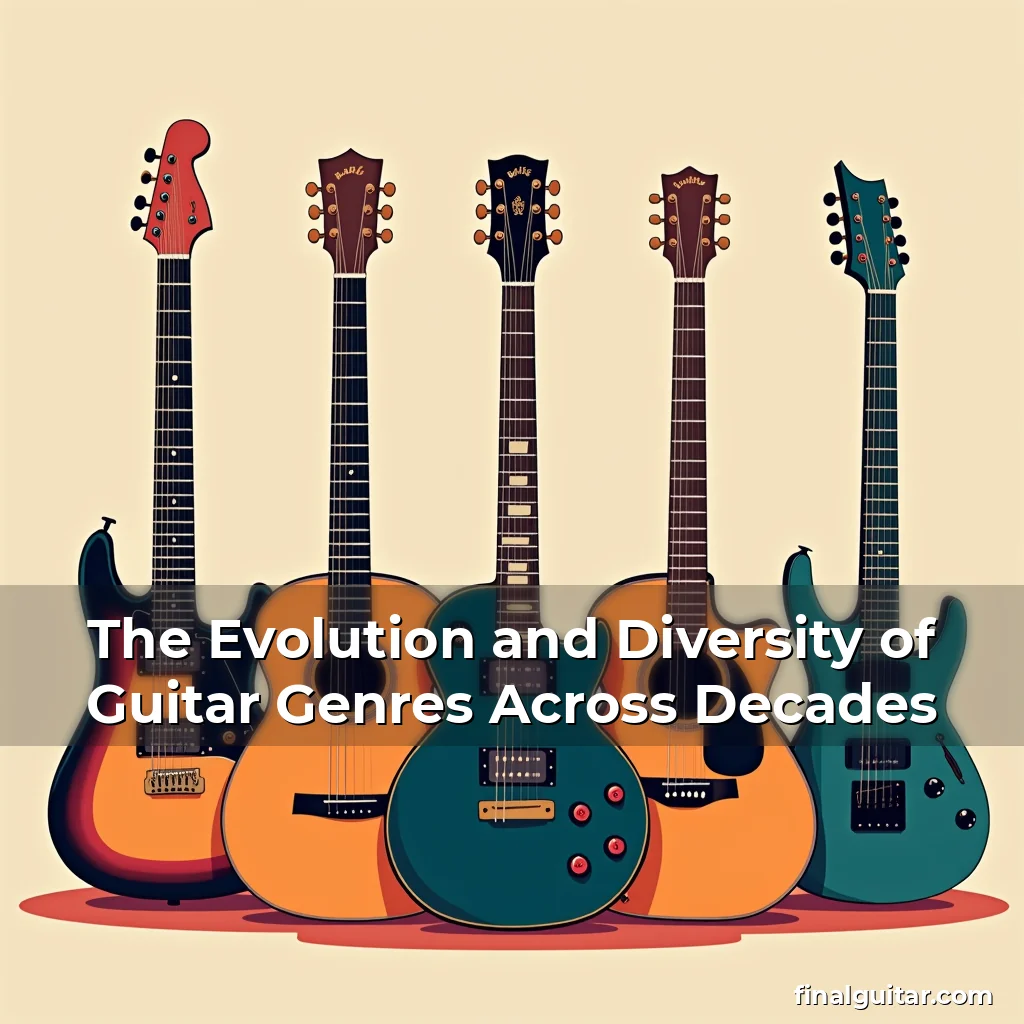
The Evolution and Diversity of Guitar Genres Across Decades
Guitars have transcended their role as mere instruments, becoming cultural symbols that shape music history. From bluesy riffs to intricate jazz solos, each genre tells a story through its unique sound.
This exploration delves into how different guitar styles emerged from various musical traditions and evolved over time, offering listeners an ever-expanding palette of sonic experiences.
The Birth of Blues Guitar
In late 19th century America, African American musicians crafted the blues using acoustic guitars as both rhythm and lead instruments. The slide technique became iconic during this era.
Pioneers like Charley Patton and Robert Johnson laid foundational techniques that would influence countless future generations of players worldwide.
- Blues Scale: Composed of five notes with bent tones creating expressive vibrato effects
- Rhythm Patterns: Shuffle beats formed the backbone of early blues recordings on record players
Jazz Guitar’s Sophisticated Development
As ragtime gave way to swing in the 1920s, jazz guitarists began exploring complex chord progressions and improvisational phrasing. This period marked a significant shift in instrumental roles within ensembles.
Lennie Tristano and Django Reinhardt revolutionized stringed instrument playing by incorporating extended harmonies and syncopated rhythms into mainstream performance practices.
Technological Innovations in Jazz
Vintage archtop guitars equipped with steel strings allowed for greater dynamic range when played acoustically. These innovations were crucial during live performances before electric amplification became widespread.
Archtop models like the Gibson L-5 featured f-holes similar to violins, enhancing resonance while maintaining tonal clarity essential for ensemble settings.
Rock ‘n’ Roll Revolutionizes Popular Music
Chuck Berry’s electrifying guitar work in the 1950s fused country twang with urban sophistication, creating what we now recognize as rock ‘n’ roll. His innovative use of distortion changed the trajectory of modern music production.
Les Paul’s invention of multitrack recording enabled artists to layer sounds previously unimaginable, opening new creative possibilities for guitar-driven compositions across many decades.
Heavy Metal Emerges Through Distortion
Emerging from hard rock in the mid-60s, heavy metal developed distinctive characteristics such as fast tempos, aggressive riffing patterns, and elaborate soloing techniques.
Motörhead’s Lemmy Kilmister pioneered a raw yet melodic approach that balanced technical prowess with primal energy characteristic of true metal anthems.
- Dropped Tunings: Allow heavier low-end frequencies without requiring larger gauge strings
- Tremolo Picking: Rapid picking motions create sustained note textures commonly used in breakdowns
Folk Revival Brings Acoustic Resonance Back
The 1960s folk revival emphasized storytelling through simple but powerful fingerstyle arrangements. Artists like Joni Mitchell redefined songwriting conventions by integrating classical influences into traditional formats.
Steel-string acoustics dominated this movement due to their ability to project clearly even at small venue volumes, making them ideal for intimate performances where vocals remained central.
Progressive Rock Expands Boundaries
With bands like Yes and King Crimson pushing musical limits, progressive rock introduced concept albums featuring extended instrumental passages and unconventional time signatures.
Synthesizers often complemented guitar work, allowing producers to experiment with stereo panning techniques that created immersive listening environments unmatched by earlier formats.
- Time Signatures: 7/8 and 5/4 meters challenged conventional rhythmic structures
- Extended Solos: Could last up to ten minutes showcasing individual virtuosity
Alternative Rock Redefines Mainstream Sound
Emerging in the 1980s, alternative rock blended punk ethos with post-punk experimentation. Bands like R.E.M. popularized jangle pop aesthetics through clean-sounding Telecasters and Jaguars.
The DIY ethic fostered by independent labels led to a proliferation of subgenres including grunge, shoegaze, and indie rock which continue influencing contemporary scenes today.
Electronic Fusion Creates New Frontiers
Modern technology has enabled unprecedented integration between analog guitar signals and digital processing units. Loop pedals allow performers to build layered soundscapes spontaneously during live shows.
Software plugins simulate vintage amplifier responses digitally while preserving warmth found only in original hardware designs from manufacturers like Fender or Marshall.
- Looper Pedals: Enable real-time composition by layering tracks incrementally
- Modeling Amps: Replicate classic tube amp characteristics electronically
Celtic Folk Traditions Reimagined
Traditional Irish and Scottish music maintains strong ties to historical balladry forms passed down orally for centuries. Modern interpretations often incorporate lap steel guitars alongside bodhráns and tin whistles.
Playing techniques emphasize percussive strumming patterns rather than melodic emphasis, reflecting regional dance traditions still practiced in rural communities today.
Latin American Styles Bring Global Flair
Genres like bossa nova from Brazil showcase sophisticated interplay between nylon-stringed instruments and percussion elements borrowed from Afro-Caribbean roots.
Spanish flamenco guitarists employ rasgueado techniques involving rapid fingertip plucking against the soundboard surface to generate dramatic intensity.
- Rasgueado: A percussive strumming method originating from Andalusian regions
- Bossa Nova: Combines samba rhythms with jazz harmonic complexity
Classical Guitar Masters Leave Lasting Legacies
Composers like Francisco Tárrega elevated the Spanish guitar from folk instrument status to concert hall prestige through works such as “Recuerdos de la Alhambra.”
Modern pedagogical approaches maintain his legacy while incorporating contemporary repertoire ranging from minimalist compositions to avant-garde experimental pieces.
- Nylon Strings: Provide softer touch required for delicate classical fingering exercises
- Baroque Technique: Emphasizes left-hand position stability for precise articulation control
Country Guitar Navigates Emotional Landscapes
From bluegrass flatpickers to pedal steel specialists, country music showcases diverse playing styles unified by emotional authenticity expressed through instrumentation choices.
Telecaster guitars remain staples in honky-tonk venues due to their bright tone profile ideally suited for vocal accompaniment applications common in barroom settings.
Reggae Infuses Spiritual Energy Into Chords
Jamaican reggae employs offbeat rhythms known as skanking, typically achieved via muted guitar strokes accentuating the backbeats inherent in ska foundations.
Bob Marley’s signature style combined these rhythmic features with spiritual lyrics creating a globally influential movement rooted in Rastafarian philosophy.
- Skank Pattern: Offbeat accents define reggae’s signature groove
- Positive Lyrics: Often convey messages of peace, unity, and social justice themes
Surf Rock Captures Coastal Vibe Through Sound
Originating in California beach culture, surf rock utilized tremolo pickups and reverb effects to mimic ocean waves in auditory form. Dick Dale was pivotal in developing this unique sonic identity.
Fast-paced triplet-based rhythms accompanied by echo-laden chords became synonymous with teenage rebellion movements sweeping North America during the 1960s.
Disco Grooves Power Dance Floors Worldwide
Disco era guitarists focused on creating infectious hooks rather than extended solos. Synthesizer integration helped achieve the polished studio sound defining this vibrant nightlife scene.
Gibson Les Paul guitars frequently appeared in disco hits thanks to their warm mid-range frequencies that cut well through dense mixes containing multiple layers of electronic instrumentation.
Hip-Hop Sampling Transforms Analog Sounds Digitally
Sampling technology allowed hip-hop producers to manipulate guitar recordings creatively. Vintage funk riffs sampled from Stevie Ray Vaughan records became foundational elements in underground club tracks.
Looping software enables beatmakers to extract specific licks from older recordings then apply tempo changes or pitch shifts to fit new musical contexts seamlessly.
- Scratch Effects: Used to add texture and interest between drum machine hits
- Breakbeats: Extracted from original recordings feature distinct rhythmic patterns
Experimental Avant-Garde Pushes Creative Limits
Avant-garde guitarists challenge norms by employing non-traditional objects as part of their setups. John Cage famously incorporated prepared piano techniques later adapted for electric guitar configurations.
Unconventional tuning systems and microtonal scales open doors to entirely new tonal palettes rarely explored within standard Western musical frameworks established centuries ago.
Conclusion
The evolution of guitar genres reflects broader societal changes affecting global music landscapes continuously. Each style represents not just technical skill development but also cultural narratives preserved through artistic expression.
Understanding these connections helps aspiring musicians navigate their own creative journeys while appreciating the rich heritage embedded within every fretboard moment.

news is a contributor at FinalGuitar. We are committed to providing well-researched, accurate, and valuable content to our readers.